The New Digital Queue: How Brands Control Access to Limited Items in 2026
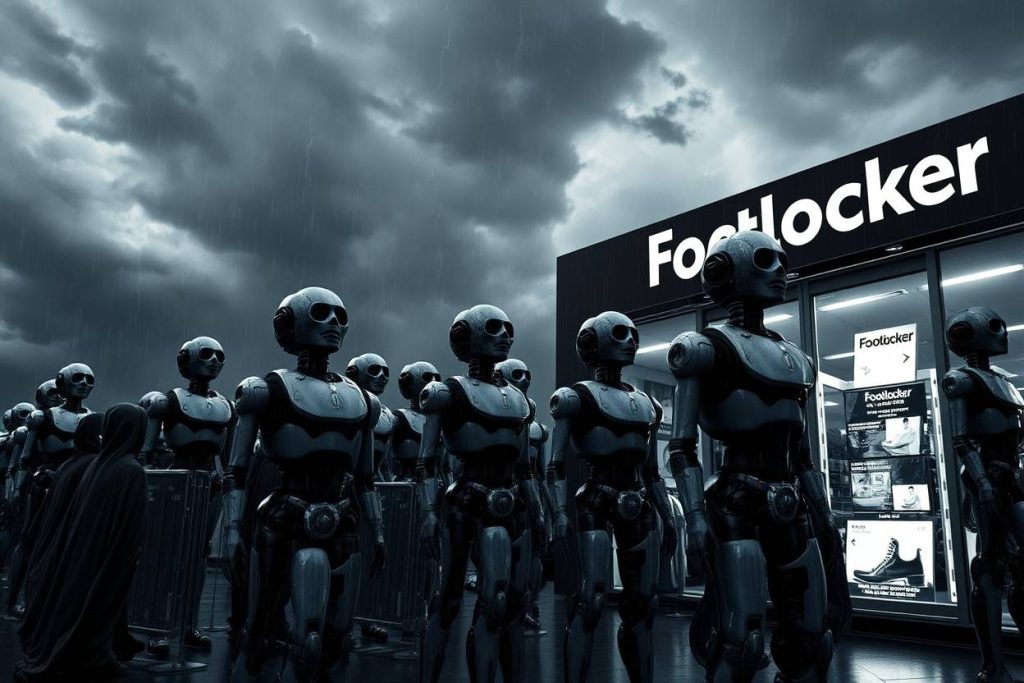
Remember when buying limited-edition sneakers meant sleeping on concrete outside Foot Locker? Brands figured it out how to create a digital queue
Alexi Carmichael
Business, Mentorship, and AI Verified By Expert
Published: January 9, 2026 | Updated: January 10, 2026
Remember when buying limited-edition sneakers meant sleeping on concrete outside Foot Locker? That whole ritual is basically dead now. Brands figured out that physical lines were a liability (fights, scalpers, bad press), so they moved everything online. The catch? Online systems turned out to be way harder to get right.
What replaced the campout is a strange mix of lotteries, identity checks, and algorithms that decide if you’re a real person or a bot. It’s gotten pretty sophisticated.
The Raffle Took Over
Nike’s SNKRS app started the trend back in 2017 or so. Instead of rewarding whoever clicked fastest, they randomized who got the chance to buy. Suddenly your internet speed didn’t matter. Neither did your bot. At least in theory. It’s a new type of digital queue.
The model spread fast. PlayStation used something similar for PS5 restocks. Watch brands adopted it. Even some concert ticket platforms moved away from pure first-come queues after the Ticketmaster disasters.
For anyone serious about copping limited releases, understanding how sneaker release raffles actually work became necessary homework. These systems look at way more than just your entry. They check how old your account is, whether you’ve bought anything before, what device you’re using. Some even track how you scroll.
What’s Actually Happening Behind the Waiting Room
So you enter a queue and see that spinning animation. What’s going on back there?
The short version: you’re being profiled. The system (usually powered by Cloudflare or Akamai) assigns you a random spot, but it’s also running checks in the background. Your IP address gets scored. Your browser fingerprint gets logged. If anything looks off, you get flagged or quietly deprioritized.
Some people use privacy tools to avoid this tracking. IPRoyal’s reliable ipv4 proxy service is one option that lets users maintain residential-looking connections without exposing their actual location. Whether that helps or hurts your chances depends entirely on the specific platform.
Here’s the thing most people miss: datacenter IPs are basically radioactive to these systems. They get blocked almost instantly. Residential connections sail through. The whole system is essentially asking one question: does this look like someone shopping from their couch, or does it look like a server farm?
Harvard Business Review published research showing that brands using randomized access systems saw customer satisfaction jump by double digits compared to crash-prone first-come drops. Turns out people hate losing to bots more than they hate losing to luck.
Verification Has Gotten Intense
Two-factor authentication is just the starting point now. That’s table stakes. The real action is in device fingerprinting, which creates a unique ID based on your browser settings, screen size, time zone, installed fonts, even your battery level on mobile.
Luxury brands have gone furthest with this. The Telegraph ran a piece about how Rolex and Patek Philippe authorized dealers now require ID verification that rivals opening a bank account. We’re talking passport scans and proof of address for the privilege of maybe being offered a watch.
Payment verification caught up too. If your billing address says Texas but your IP suggests you’re in Romania, that’s a red flag. It won’t necessarily block you, but your risk score goes up internally. Stack enough of these flags and you’re done.
What Regular Buyers Are Up Against
The gap between casual fans and serious collectors keeps widening. Someone who downloads SNKRS the night before a drop has almost no shot against accounts that have been active for years with verified purchase histories.
“Account warming” is a real strategy now. You keep accounts active, make small purchases, engage with the app. It’s the digital equivalent of being a regular at a store where the owner knows your name.
According to Wikipedia’s breakdown of ticket scalping economics, secondary markets for limited goods hit billions in annual volume. That kind of money attracts serious operators who treat this like a business. And businesses invest in infrastructure.
Brands actually benefit from all this friction in ways they probably didn’t expect. Every raffle entry is an email signup. Every app download is first-party data. Every failed attempt is another reason to come back and try again. The queue itself became a marketing channel.
Where This Is Heading
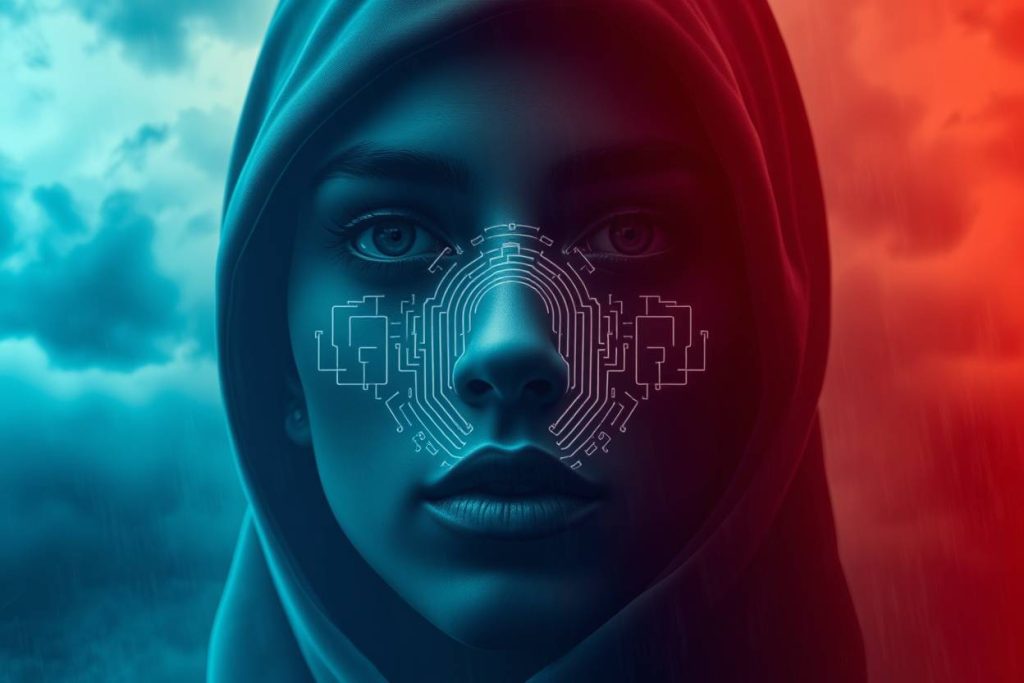
Biometric verification is already being tested in Asia for ultra-limited drops. Face ID to confirm you’re the account holder. It sounds dystopian for buying sneakers, but it’s coming.
The machine learning keeps improving too. These systems learn what real human behavior looks like, and they get better at spotting fakes with every release. The arms race continues.
Brands that nail the balance will win long-term loyalty. Go too far with verification, and regular customers give up. Go too light, and bots eat everything. Nobody’s cracked the perfect formula yet.
Alexi Carmichael
Business, Mentorship, and AI Verified By Expert
Alexi Carmichael is a tech writer with a special interest in AI's burgeoning role in enhancing the efficiency of American SMEs. With her know-how and experiences, she has since taken on the role of mentor for fellow entrepreneurs striving for digital optimization and transformation. With Tech Pilot, she shares her insights on navigating the complexities of AI and how to leverage its capabilities for business success.
Share This Article
JOIN OUR COMMUNITY
Receive the latest AI insights directly to your inbox.