How AI Is Empowering Independent Artists and Producers
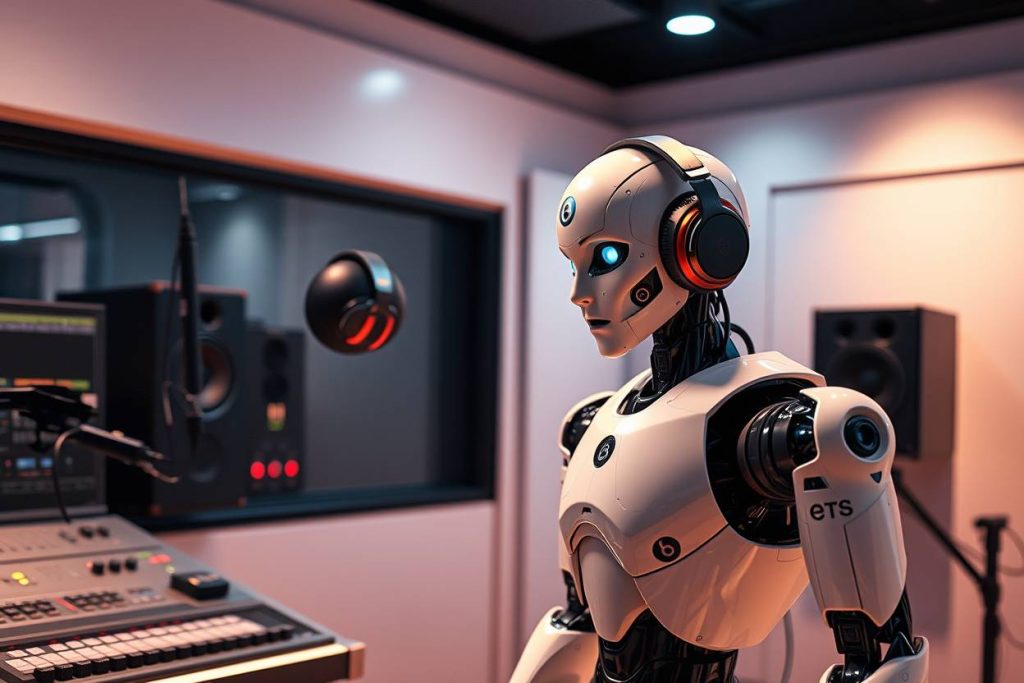
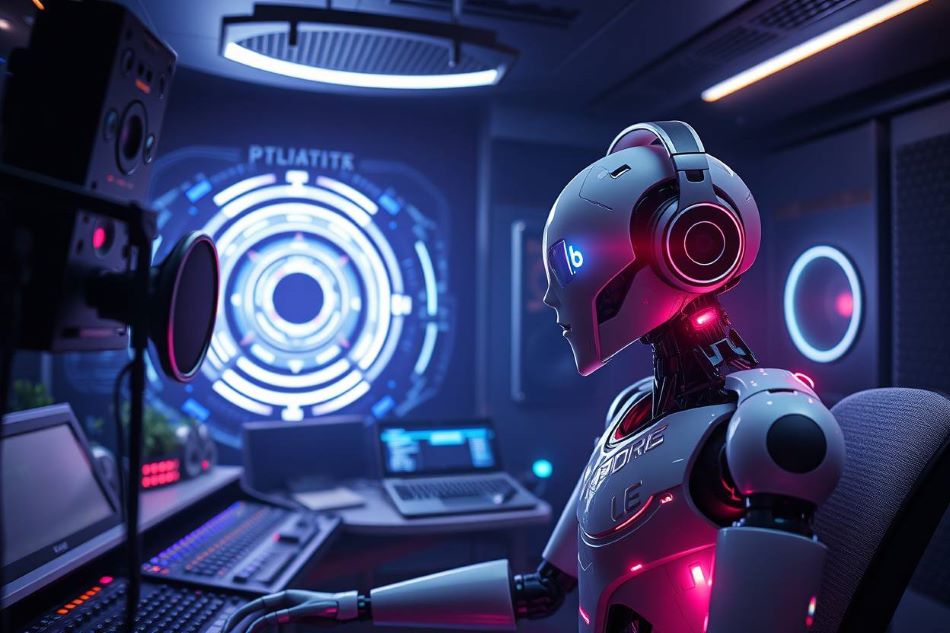
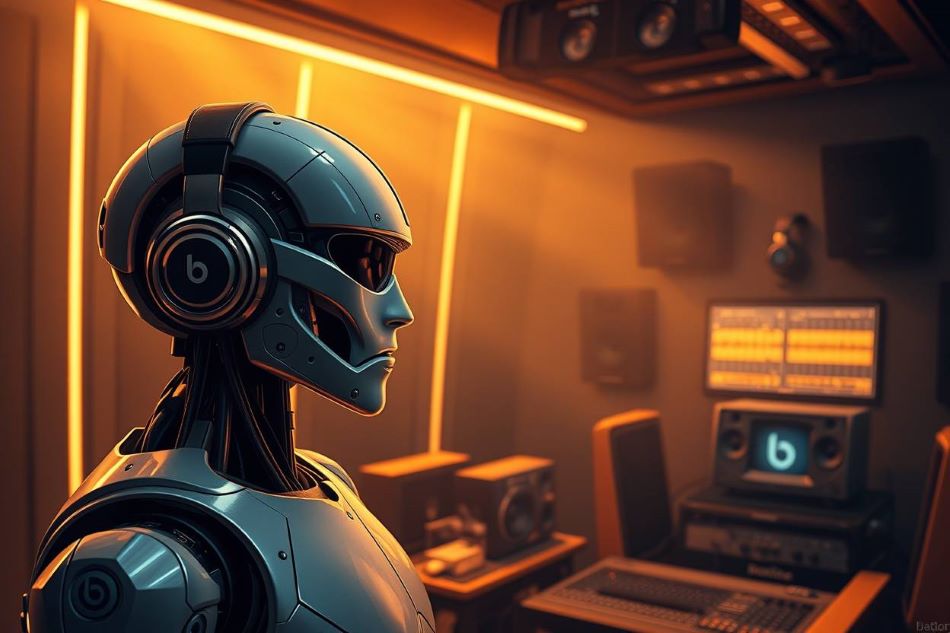
AI is empowering independent artists to write, produce, and distribute release-ready music without studio time, label deals, or production experience.
Alexi Carmichael
Business, Mentorship, and AI Verified By Expert
Published: March 16, 2026 | Updated: March 16, 2026
It has never been simpler to create music than it is now. Artists no longer require large studios or pricey equipment. Anyone can now create original tunes from the comfort of their own home thanks to smart equipment and digital technologies. Not only is this shift thrilling, but it also levels the playing field for independent producers and musicians worldwide.
Technology has become a real helper for music lovers. It helps record voices, mix sounds, and fix small mistakes in songs. You don’t need a big studio or expensive gear anymore. Just your computer, a good idea, and a little creativity are enough.
One powerful example is Music GPT. It helps you make music by giving ideas for melodies, beats, and lyrics. This tool learns how good songs work and shows you new ways to make your music better. That’s how AI is empowering independent artists.
You can use it to mix styles, change rhythms, or try something new. Want to mix jazz with pop? No problem. These tools make it possible with just a few clicks.
Opening Doors for New Voices
The traditional gatekeepers—labels, studios, expensive DAWs—haven’t disappeared, but they’re no longer the only path. An independent artist in 2026 can write, produce, distribute, and monetize music without ever signing a deal or booking studio time. The barrier to entry has dropped from thousands of dollars to a subscription that costs less than a dinner out.
What makes this meaningful isn’t just access to tools. It’s creative ownership. Independent artists retain their masters, choose their release schedule, and aren’t locked into producing what a label thinks will sell. An AI music generator handles the technical production layer—beat creation, vocal generation, arrangement—so the artist can focus on the creative decisions that actually define their sound. The result is more diverse music from more people, which is exactly what streaming audiences are rewarding right now.
This matters beyond individual careers. When production costs approach zero, artists from underrepresented regions and genres can reach global audiences without needing industry connections in Nashville, London, or LA. A bedroom producer in Southeast Asia or West Africa has the same technical capabilities as someone in a major market. The playing field hasn’t just leveled—it’s expanded.
Saving Time, Creating More
The biggest practical advantage of AI in music production is compression of the workflow. Tasks that used to take hours—finding the right drum pattern, layering harmonies, balancing a mix—can now happen in a single prompt-to-output cycle. An AI music generator doesn’t replace the creative process, but it eliminates the dead time between having an idea and hearing it played back.
For working producers, this changes the economics of the job. Instead of spending a full session on a single demo, you can generate multiple variations in minutes, pick the strongest direction, and refine from there. Features like stem splitting let you isolate vocals, drums, or bass from any track and rebuild around them. Remix tools let you restyle existing songs without starting from scratch. The output isn’t always perfect on the first try—prompt quality matters, and you’ll sometimes need two or three passes to dial in the right feel—but the iteration speed is what changes the game.
There’s a practical workflow emerging here: generate a base track from a prompt, split the stems, keep what works, replace what doesn’t, and master the final output—all within a single platform. That kind of end-to-end pipeline used to require three or four separate tools and significantly more skill. Now it’s a Tuesday afternoon.
Making Music Global
Distribution used to be the hardest part for independent artists. Now it’s the easiest. Platforms like DistroKid, TuneCore, and Amuse push music to Spotify, Apple Music, and YouTube Music in days. Pair that with an AI music generator that outputs commercially licensed tracks, and you have a complete pipeline from idea to global audience with no middleman.
Collaboration has changed too. A vocalist in Lagos can send stems to a producer in Berlin who remixes them and sends back a finished track by the next morning. Cloud-based AI tools make this seamless because the production environment lives in a browser, not on a specific machine with specific software. Geographic barriers genuinely don’t apply anymore—not as a motivational slogan, but as a description of how independent releases actually get made today. The artists gaining traction aren’t necessarily in music industry hubs. They’re wherever the wifi is.
Making Creativity Fun Again
There’s a real risk that production complexity kills momentum. An artist with a strong melody in their head can lose it entirely by the time they’ve figured out compression settings and EQ curves. AI tools short-circuit that frustration by handling the technical execution, which keeps the creative energy alive when it matters most.
This is especially true for experimentation. Want to hear how a folk ballad sounds with trap drums? Or how your acoustic demo works as a lo-fi beat? An AI music generator lets you test those ideas in seconds instead of hours. Some results will be throwaway, and that’s fine—the point is that low-cost experimentation leads to discoveries you’d never make if every creative detour required a full production commitment. The artists making the most interesting work right now are the ones willing to try strange combinations, and AI tools make that risk-free.
It also brings people back to music who stepped away because of the complexity. Content creators who need original audio, podcasters looking for custom intros, hobbyists who just want to hear their lyrics come to life—none of these people need to learn a DAW. They need a text box and a generate button. That accessibility isn’t dumbing things down. It’s removing friction that had nothing to do with creativity in the first place.
Building a Long-Term Creative Path
Consistency matters more than virality for independent artists building a sustainable career. Releasing regularly, growing an audience over time, and developing a recognizable sound all require output volume that’s hard to maintain with traditional production timelines.
AI music generators directly address this bottleneck. When production time drops from days to minutes per track, artists can maintain a release cadence that keeps them visible on streaming algorithms and social feeds. Beyond creation, some platforms offer tools that feed into the business side—trend analysis, audio mastering, and export formats optimized for different platforms. The economics work too: commercially licensed AI-generated music can be monetized through streaming, sync licensing, and content creation without the legal complexity of sample clearances or co-writer splits.
The artists who treat AI as a production partner rather than a novelty are the ones building real catalogs and real audiences. The tool handles the technical heavy lifting; the artist brings the taste, the story, and the consistency.
Innovation in Every Note
The independent music landscape in 2026 looks nothing like it did five years ago. The tools are faster, cheaper, and more capable. The distribution channels are open. The audiences are actively seeking out independent voices over polished label releases.
An AI music generator won’t write your story or develop your artistic identity—that’s still entirely on you. But it will remove the technical and financial barriers that used to prevent that story from ever being heard. For independent artists and producers, that’s not a small thing. It’s the whole thing.
Alexi Carmichael
Business, Mentorship, and AI Verified By Expert
Alexi Carmichael is a tech writer with a special interest in AI's burgeoning role in enhancing the efficiency of American SMEs. With her know-how and experiences, she has since taken on the role of mentor for fellow entrepreneurs striving for digital optimization and transformation. With Tech Pilot, she shares her insights on navigating the complexities of AI and how to leverage its capabilities for business success.
Share This Article
JOIN OUR COMMUNITY
Receive the latest AI insights directly to your inbox.