Robotics Education: A Strategic Guide to Future-Ready Learning
Robotics education integrates coding and engineering to prepare students for an automated future. See how hands-on learning boosts STEM outcomes, critical thinking, and career skills.
Published: December 9, 2025 | Updated: December 9, 2025
As the Fourth Industrial Revolution reshapes the global workforce, educational institutions are increasingly pivoting toward applied technology to bridge the widening skills gap. Robotics education stands at the forefront of this pedagogical transformation, offering a dynamic synthesis of mechanical engineering, computer science, and creative problem-solving.
By moving beyond theoretical instruction to hands-on application, this discipline not only enhances STEM proficiency but also cultivates the critical adaptability required for an automated future. From elementary classrooms to advanced university research, the integration of intelligent machines into learning environments is redefining how students prepare for a technology-driven world.
What Is Robotics Education?
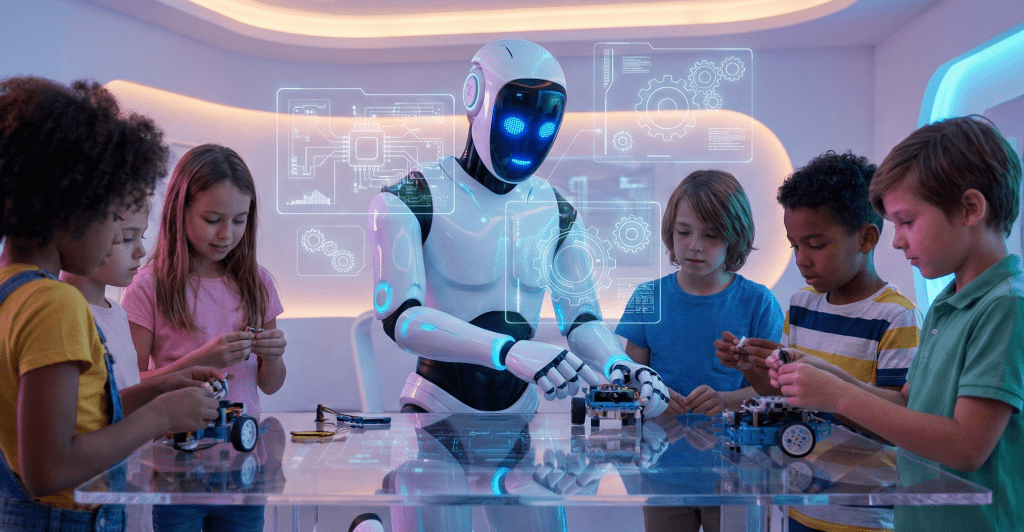
Robotics education is an instructional framework that utilizes programmable machines and electronic components to teach design, engineering, and computational thinking. It integrates mechanical engineering, electrical engineering, and computer science into a cohesive curriculum, enabling students to construct tangible machines that interact with the physical world.
This multidisciplinary approach bridges abstract theory and practical application. Learners design solutions, program behaviors, and troubleshoot real-time physical responses, thereby acquiring the technical literacy required for a technology-driven future.
Rise and Relevance in Modern STEM
The expansion of robotics education aligns with the Fourth Industrial Revolution. Recent market data underscores this trajectory:
Adoption Volume: The U.S. Department of Education has documented roughly 15,000 educational robot placements in U.S. schools.
Why it Matters: Industries from manufacturing to healthcare are automating workflows, necessitating a workforce competent in managing autonomous systems.
Distinguishing Robotics from Traditional STEM
While traditional STEM instruction often relies on theoretical models, robotics is inherently physical.
Active Creation: Students apply physics to build structures and math to calculate navigation, rather than memorizing formulas.
Interdisciplinary Integration: A single challenge requires mechanical design and software programming. This distinguishes robotics vs coding for kids by adding a physical dimension; whereas coding is often screen-bound, robotics demonstrates how code manipulates physical objects.
The Value Proposition: Benefits and Importance
What Are the Benefits of Robotics for Students?
The benefits of robotics for students extend beyond technical proficiency to include cognitive development and emotional resilience. Longitudinal data over seven years illustrates the efficacy of these programs:
Skill Acquisition: Schools with hands-on robotics saw 45%higher STEM club participation and over 15% gains in technology assessments for 80% of students.
Engagement: Prediction models for student engagement via robotics have achieved 98.78% accuracy, confirming its role in boosting motivation in higher education.
Academic Gains: Specific performance metrics highlight the gap between pre- and post-program capabilities:
Metric
Pre-Program
Post-Program
Gain
Robotics Design Knowledge
26%
93%
67%
Coding Skills
3%
92%
89%
Career Aspiration
Baseline
+32%
32% (p<0.05)
Why Is Robotics Important for Kids?
Robotics serves as a catalyst for logical maturation and emotional resilience.
Develops Computational Thinking: Children learn to decompose large problems into solvable steps.
Encourages Perseverance: The process normalizes failure. Students learn that errors are diagnostic clues rather than defeats.
Builds Confidence: Successfully debugging a program provides a concrete sense of achievement, boosting self-efficacy.
Technical Skill Acquisition
Students gain hard technical competencies valued in the modern economy:
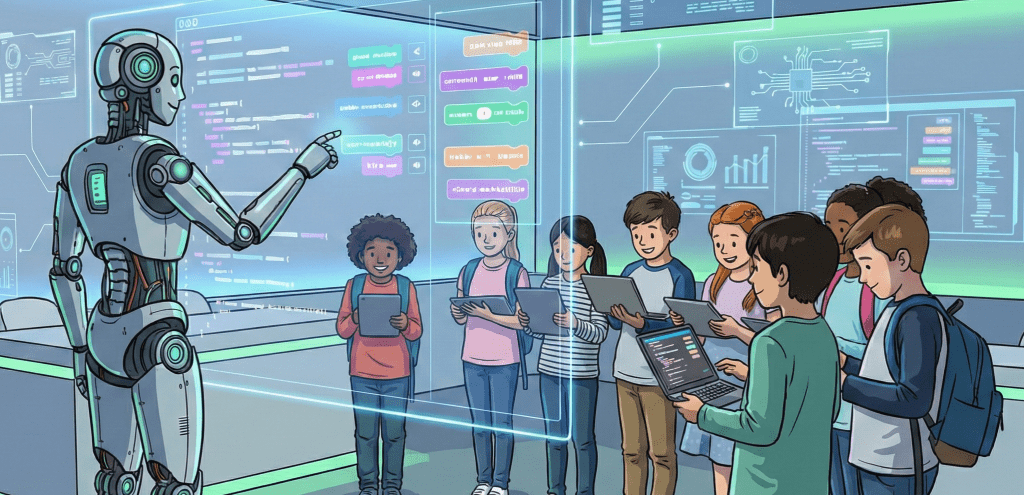
Programming: Acquisition of syntax and logic, from block-based coding to Python and C++.
Engineering Principles: Understanding how sensors gather data and how actuators translate that data into movement.
Practical Implementation: Learning and Activities
Is Robotics Hard to Learn? The difficulty is scalable. Is robotics hard to learn? It depends on the approach. While university-level systems like ROS are complex, K-12 curricula use “low floor, high ceiling” designs that allow beginners to construct working models rapidly while permitting advanced engineering as skills progress.
How to Learn Robotics?
How to learn robotics effectively involves a structured progression:
Beginner Kits: Platforms like Arduino or Micro:bit offer extensive documentation for basic circuit building.
Immersive Workshops: A robotics camp for kids provides structured guidance and peer collaboration, offering access to equipment often unavailable for individual purchase.
Advanced Projects: Proficiency is solidified through tackling real-world challenges, such as home automation systems.
What Are Robotics Projects for Kids?
Robotics projects for kids serve as the practical vehicle for testing concepts:
Foundational: Line-following and obstacle avoidance robots teach input-output loops.
Advanced: Competitive bots or autonomous maze navigators add gamification and urgency to the engineering process.
Practical illustrations of robotics education
Elementary Level: Students utilize Bee-Bot or KIBO robots to master sequencing, programming the device to traverse a floor grid toward specific map coordinates, effectively transforming coding into a physical game.
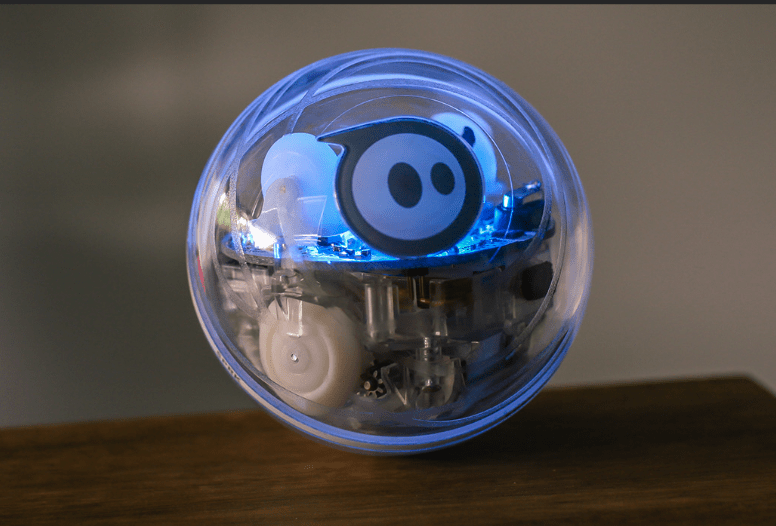
Middle School Level: Classes employ Spheroor Dash robots controlled via tablets to empirically test physics concepts, measuring travel time and distance to understand motion.
Adoption in Schools and Universities
Adoption rates indicate that robotics has moved from a niche activity to a central educational component.
Widespread Integration: By 2023, more than 70% of schools in North America and about 65% of schools in Europe had introduced robotic toolkits into their STEM programs.
Curriculum Core: Robotics components are now incorporated in over 75% of science courses in many advanced school systems.
In higher education, the focus shifts to innovation. Universities offer advanced courses in robot kinematics and neural networks, preparing candidates for research and industrial roles.
Challenges and Limitations
What Are 5 Disadvantages of Robotics?
Despite the advantages, implementing robotics education presents specific challenges, often cited as the 5 disadvantages of robotics:
High Costs and Infrastructure Gaps: Financial barriers limit access significantly. Data indicate that 38% of rural schools lack the necessary infrastructure or trained staff to implement these programs.
Resource Disparity: While U.S. universities have acquired 5,000 humanoid robots to stay competitive, deployment barriers persist for underfunded areas unable to match these investments.
Teacher Training Gaps: There is a shortage of educators qualified to teach engineering or programming pedagogy.
Steep Learning Curves: Combining coding with mechanics can be complex for students without proper scaffolding.
Career Outlook and Future Trends
Future Trends
Future educational environments will be increasingly intelligent. High-fidelity simulators will allow students to code in virtual environments, reducing hardware costs. Furthermore, robotics is expanding into non-STEM subjects, such as using bots for environmental data collection, demonstrating cross-curricular relevance.
What Is Robotics Software Engineer?
A robotics software engineer is a specialized developer bridging high-level software and low-level hardware. They develop algorithms for path planning, object recognition, and autonomous decision-making, ensuring software commands translate accurately into mechanical actions.
Human Creativity Remains Essential: AI tools optimize code but cannot replicate architectural oversight.
Role Evolution: Engineers are evolving rather than being displaced. They are becoming architects who train the AI models that control hardware, integrating machine learning into robot autonomy.
Conclusion: The Strategic Value of Robotics Education
Robotics education represents a fundamental shift in pedagogical strategy, moving students from passive consumers of technology to active creators. By integrating mechanical engineering with computational logic, this discipline equips learners with the critical problem-solving skills necessary to navigate an automated economy.
While challenges regarding cost and teacher training persist, the documented improvements in STEM outcomes and the rising demand for robotics software engineers validate the investment. Ultimately, why is robotics important for kids extends beyond career readiness; it fosters the resilience and adaptability required for a future where human ingenuity and intelligent systems collaborate to solve complex global challenges.
Mike Paul, an authoritative author, specializes in AI tools, Education and Business productivity. With comprehensive knowledge and practical insights, his blog offers credible guidance on the latest advancements. Mike's expertise is evident in his clear and concise writing style, supported by real-world examples and case studies. As a trusted industry voice, he actively engages with professionals, fostering a vibrant community. With meticulous research and fact-checking, Mike ensures accurate and up-to-date information. His blog www.mikepaul.com serves as a reliable resource for leveraging AI tools effectively.
Share This Article
JOIN OUR COMMUNITY
Receive the latest AI insights directly to your inbox.