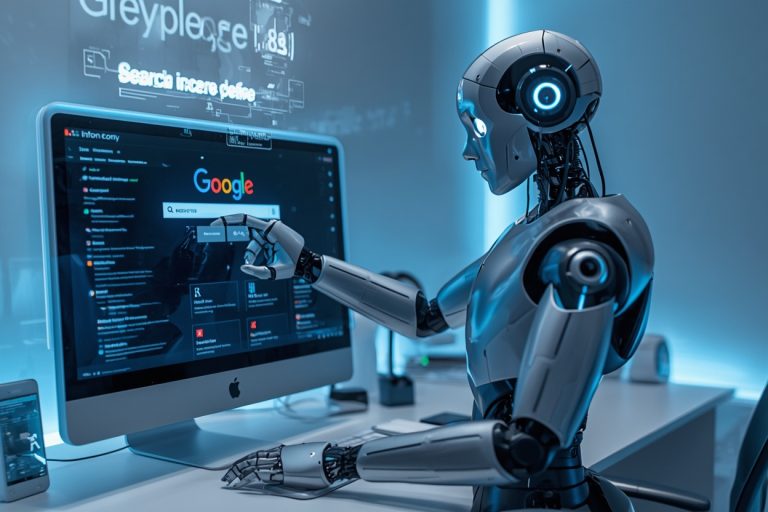
10 Innovative Ways Marketers and Designers Are Using AI-Generated Images in 2026
Discover how AI image generators transform visual content creation. Explore 10 practical ways marketers and designers can use AI design tools to scale campaigns and improve brand performance.
Published: December 16, 2025 | Updated: December 16, 2025
AI design tools like DepositPhotos by VistaPrint are now essential in modern visual content creation, and the number of creative professionals using them increases each year. That’s because this technology has become fundamental to production workflows, from cutting timelines to generating hyper-personalized visuals. Read on to discover 10 ways to use AI-generated images for your designs and marketing campaigns.
The benefits of using AI for visual content creation
The AI image generators market is expected to reach $2,633.2 million by 2035, growing at a CAGR of 18.2% over the next 10 years. These numbers alone clearly demonstrate the popularity of artificial intelligence for visual content creation.
Still, it’s worth asking why exactly this technology is so popular and how it can benefit modern creative workflows. The real impact can be divided into four main areas: efficiency, personalization, creativity, and precision.
Efficiency. AI in design lets teams produce huge volumes of high-quality assets incredibly quickly—in minutes instead of days. This also brings lower costs and smarter, more balanced workloads.
Personalization. Today, AI helps create visuals that adapt to individual users. Images can be changed based on a person’s behavior, style, or context, which boosts engagement and conversions.
Creativity. AI doesn’t replace creators or their style; it acts as a fast idea generator, shortening the time needed to come up with successful digital campaigns. It can be used for inspiration, instant brainstorming, and trend testing.
Precision. AI aligns with your brand’s style and ensures that colors, lighting, layout, and even illustrations can be replicated quickly and accurately.
10 ways marketers and designers can use AI design tools
In 2025, 21% of marketers relied on AI to create visuals. However, as AI design tools continue to scale and improve, this number will grow—especially considering the innovative ways such solutions can be applied.
For instance, AI for marketers and designers can help with:
Individualized ad creation using tools like DepositPhotos by VistaPrint
Even today, teams turn to DepositPhotos by VistaPrint to spin up multiple variations of the same image for A/B testing in seconds. However, in 2026, this approach will go even further, focusing on micro-targeting and ads built for a single person in real time.
Let’s imagine someone searching for running shoes. For city athletes, AI can generate a visual of the shoe on a busy street, while for trail runners, it can show the same model on a mountain path.
Dynamic eCommerce product placement
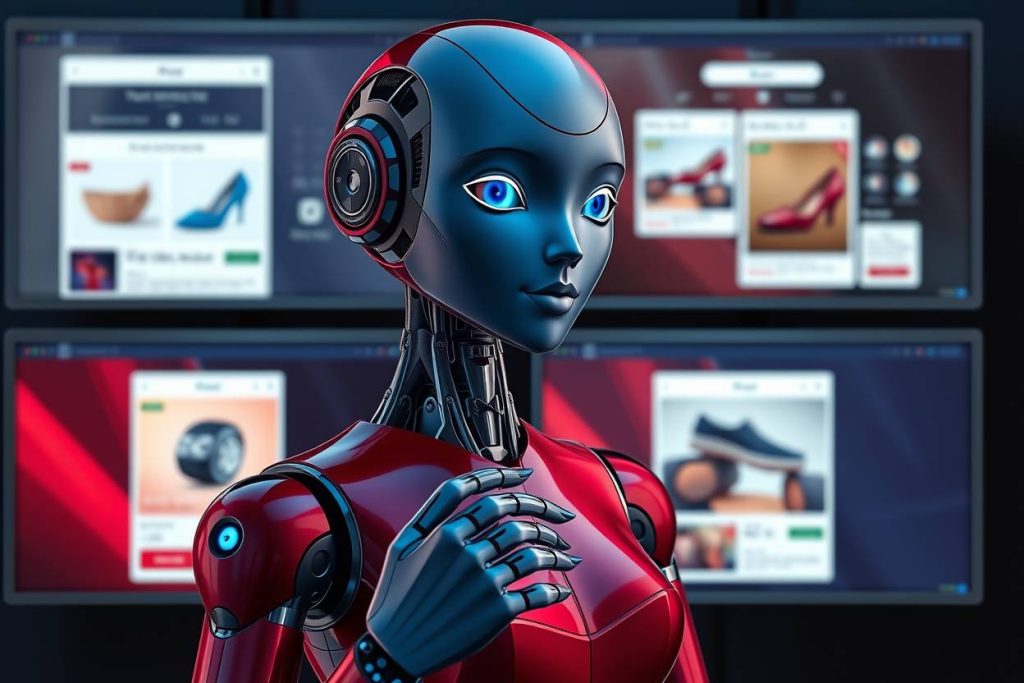
For years, products were displayed on plain white backgrounds. Now, however, shoppers want to see them in realistic environments—and that’s where AI can help.
For instance, if you have a history of buying minimalist, industrial decor and are looking for a lamp, AI can suggest a product photo that mirrors exactly that aesthetic. This helps solve the classic online shopping problem—“But how would this look in my space?”
Concepting and mockups
Designers can now use AI as a supercharged sketchpad. Type a prompt for a coffee brand logo and get dozens of high-quality directions to explore in seconds. This allows you to spend less time on basic production and more time on actual design thinking.
Similarly, if you create a coffee brand logo and want to see how it would look in a certain location, you can ask AI to generate a mockup with this logo applied to different contexts.
Brand-consistent asset generation
You can train a private AI model on your brand kit so it produces visuals in your signature colors, using the correct fonts and styles, and following your established guidelines.
Imagine you need to create social media visuals for New Year’s fitness campaigns. All you have to do is ask the AI tool for those assets and instantly receive on-brand visuals with the right colors, layout rules, and logo usage.
Virtual influencers and avatars
Brands can now develop their own expressive virtual influencers. These characters look consistent, feel emotionally believable, and generate unlimited content on demand. With this kind of creative automation, you create a virtual model once and then reuse it for every outfit, angle, and campaign you want to showcase.
3D and Metaverse asset generation
There are many text-to-3D tools you can use to instantly create assets for AR, VR, metaverse spaces, and product demos. All you need to do is describe the look of a luxury watch display and let AI deliver a usable 3D model with mesh and texture maps.
Automated background removal and replacement
AI can precisely cut out subjects and place them into realistic new scenes. A studio photo easily transforms into a shot in Tokyo at night or a Paris café, with lighting and shadows automatically matched. In practice, this gives you an infinite virtual photo studio without the need for location fees, complex logistics, and reshoots.
Visual improvement
This is especially useful for brands that have been on the market for a while and own numerous visuals that could be reused in a content strategy, but are of low quality. AI can modernize such images by upscaling, restyling, and updating them to current standards. It can even replace dated elements (like old tech) in the background.
Visual design for accessibility
Accessibility isn’t an afterthought anymore—it’s a requirement. However, it can take lots of time for designers to memorize WCAG standards and adapt visuals accordingly. AI, on the other hand, can generate visuals that meet such standards from the start by choosing compliant color combinations, improving readability, and even writing clear alt text when needed.
High-quality texture and material generation
AI can also generate ultra-realistic materials for your marketing creativity. This is especially important for luxury, interior, fashion, and product brands. As a result, customers clearly understand quality and texture online, and brands avoid the need for expensive studio photography.
To sum up
AI design tools help marketing and design teams generate more content in less time, personalize visuals for every audience segment, experiment with new ideas instantly, and keep every asset on-brand. As these tools evolve, their workflows will become increasingly intuitive, powerful, and deeply integrated into everyday creative processes. Try the approaches listed in this article to open the door to faster production, smarter decisions, and more standout visual content.
Mihai (Mike) Bizz: More than just a tech enthusiast, Mike's a seasoned entrepreneur with over 10 years of navigating the dynamic world of business across diverse industries and locations. His passion for technology, particularly the transformative power of Artificial Intelligence (AI) and automation, ignited his pioneering spirit.
Fueling Business Growth with AI: Through his blog, Tech Pilot, Mike invites you to join him on a captivating exploration of how AI can revolutionize the way we operate. He unlocks the secrets of this game-changing technology, drawing on his rich business experience to translate complex concepts into practical applications for companies of all sizes.
Share This Article
JOIN OUR COMMUNITY
Receive the latest AI insights directly to your inbox.